
The gluteus maximus is the largest and most powerful muscle in your body’s backside, forming most of the shape of your butt. It sits at the back of your hips, attaching from the pelvis and tailbone area down to the upper part of the thigh and into a thick band of tissue along the outside of the thigh. Because of where it connects, it has a major influence on how you move, how you stand, and how your hips and lower back feel during training.
Its main job is hip extension, which means driving your thigh backward. This is the action you use when you stand up from a chair, climb stairs, sprint, jump, or push out of the bottom of a squat. It also helps with hip external rotation, which is turning the thigh outward, and it contributes to stabilizing the pelvis so your knees and hips track well when you run, lunge, or change direction.
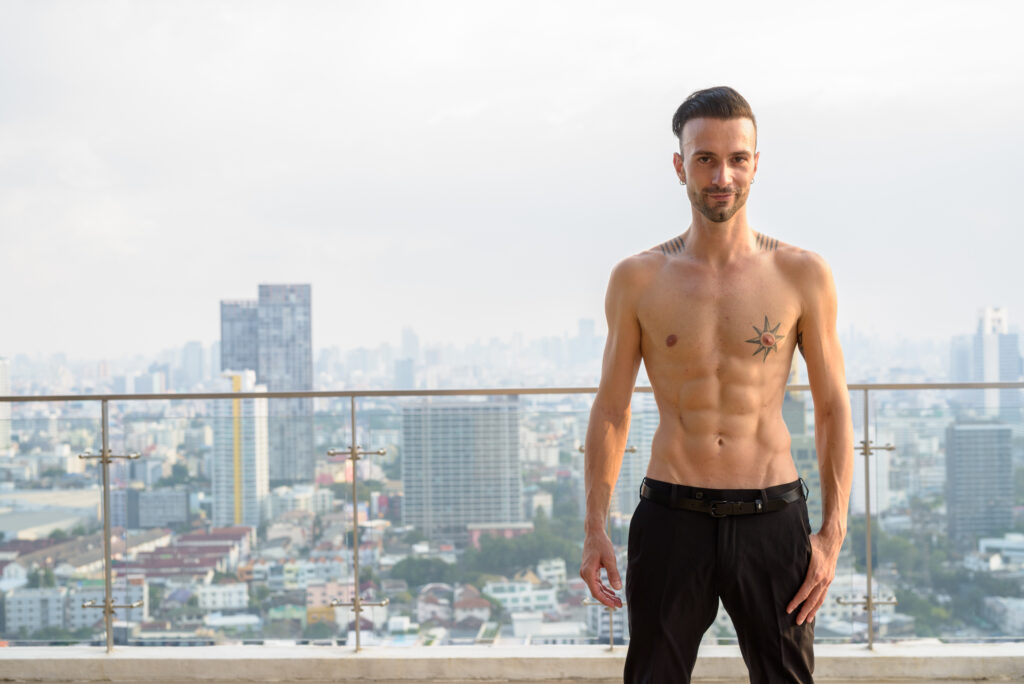
For anyone chasing visible abs, the gluteus maximus matters more than most people think. Strong glutes improve posture by supporting a neutral pelvis, which can make the waist look tighter and reduce the tendency to overarch the lower back. They also take stress off the lower back by sharing the work during hip hinging and leg training. Since the gluteus maximus can produce a lot of force, training it hard helps you burn more calories and build more total muscle, both of which support getting lean enough for abs to show.
You’ll feel the gluteus maximus working most in movements where you extend the hips under load, like squats, deadlifts, hip thrusts, lunges, step ups, and sprinting. If you want it to grow and perform, focus on full range of motion, controlled tempo, and progressive overload while keeping the ribs stacked over the pelvis and the knees tracking in line with the toes.